História e Linhagem do Grupo Kwanza

Grupo Kwanza was born from a trajectory built over decades of experience in capoeira, marked by a commitment to its cultural, educational, and human foundations.

Its lineage develops from coexistence and learning alongside great groups and important masters of Brazilian capoeira, in a journey that has always valued tradition, hierarchy, and responsibility in the formation of people. On this path, capoeira was understood not only as a physical practice, but as cultural expression and philosophy of life.

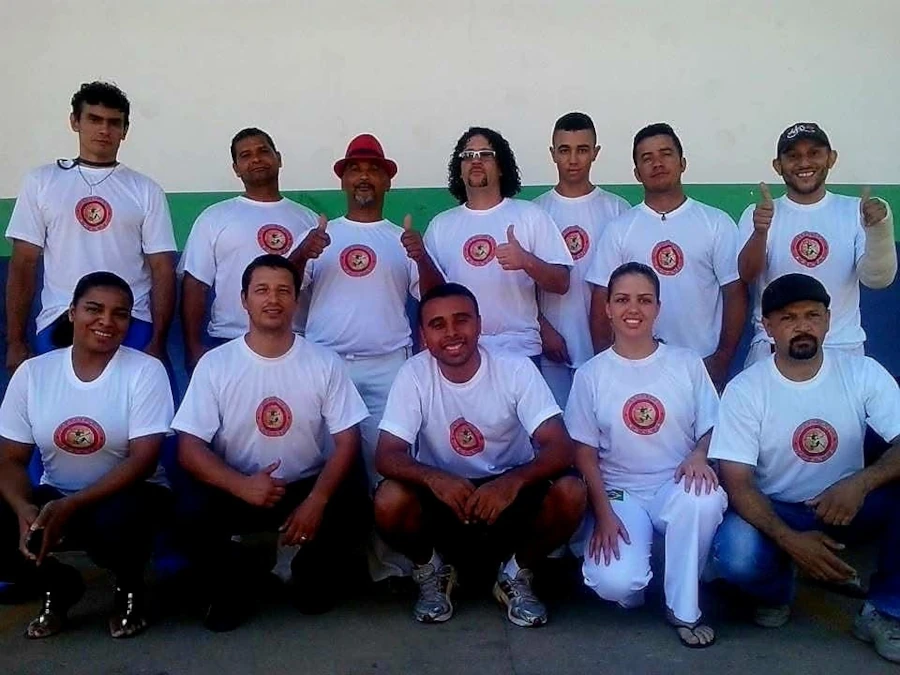
The group was officially founded on April 6, 2014, as the result of a process of maturation and autonomy. Its creation represented the need to build a space where knowledge, musicality, and formative work would be valued integrally.

Since then, Grupo Kwanza acts as a space for continuous formation, preserving respect for ancestry and the social role of capoeira.

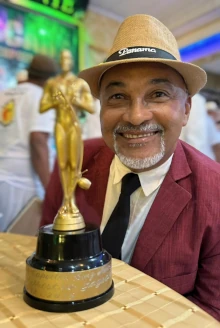
Paulo Ricardo de Souza, Mestre Fundador do Grupo Kwanza

O Mestre Fundador

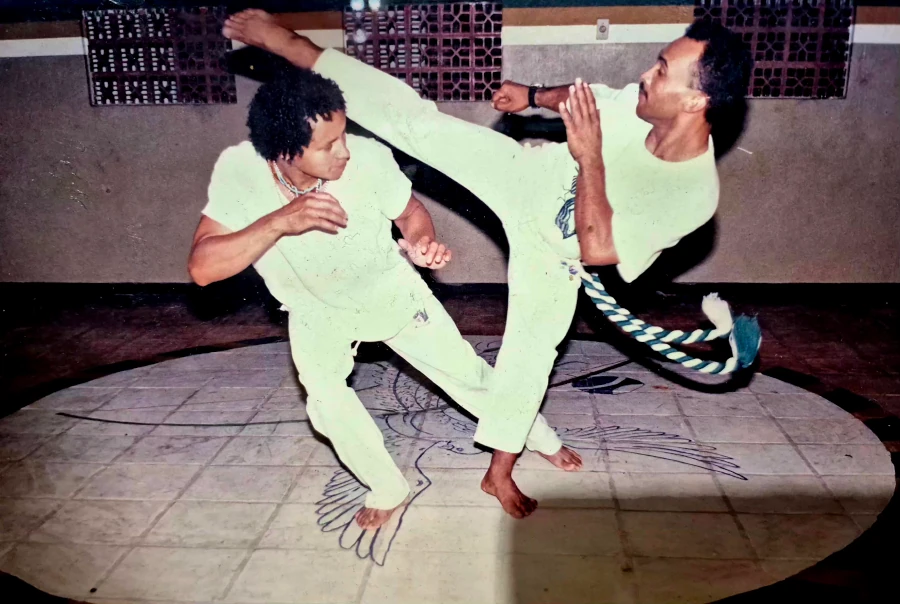
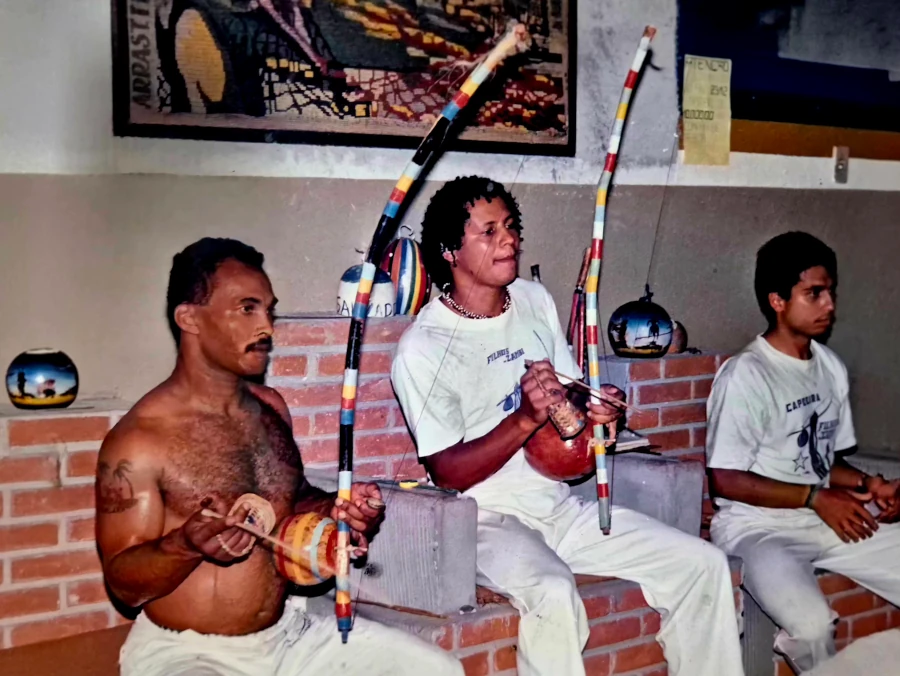
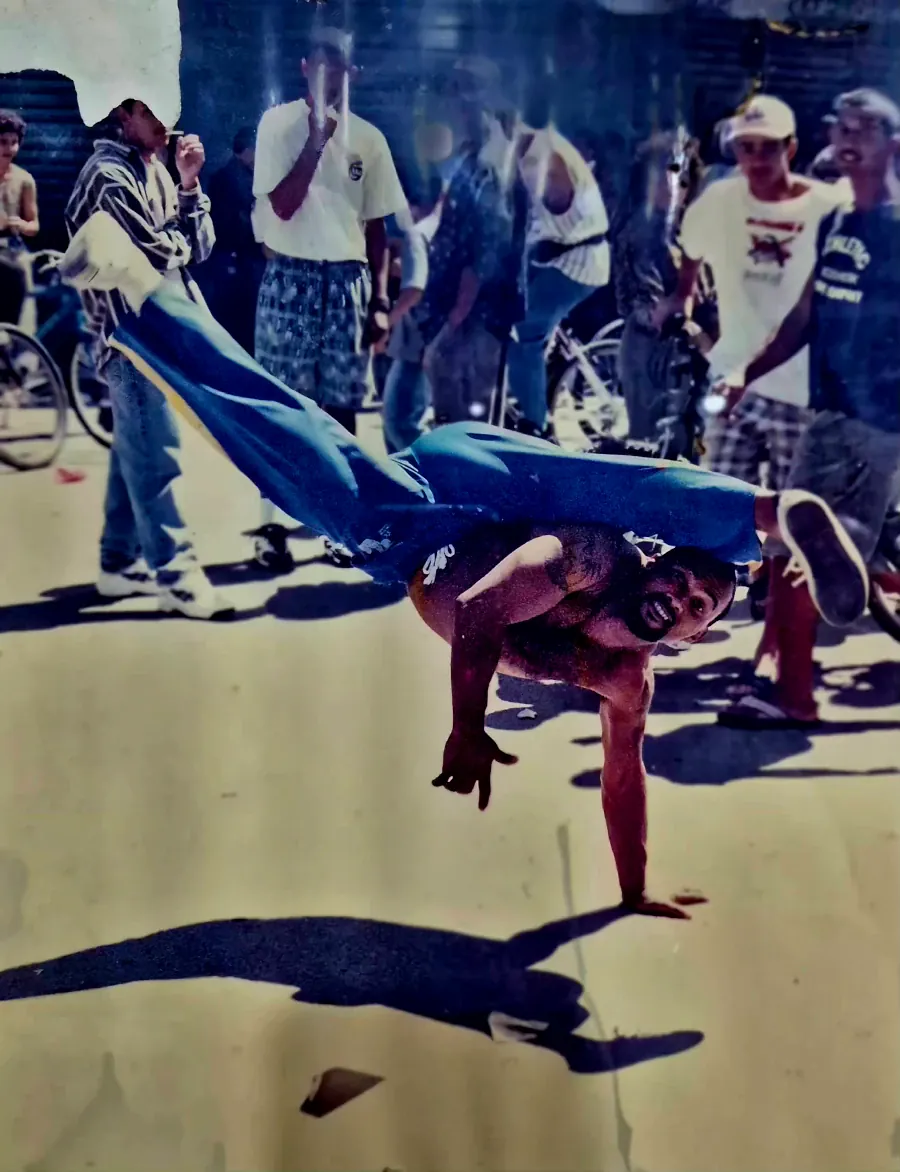
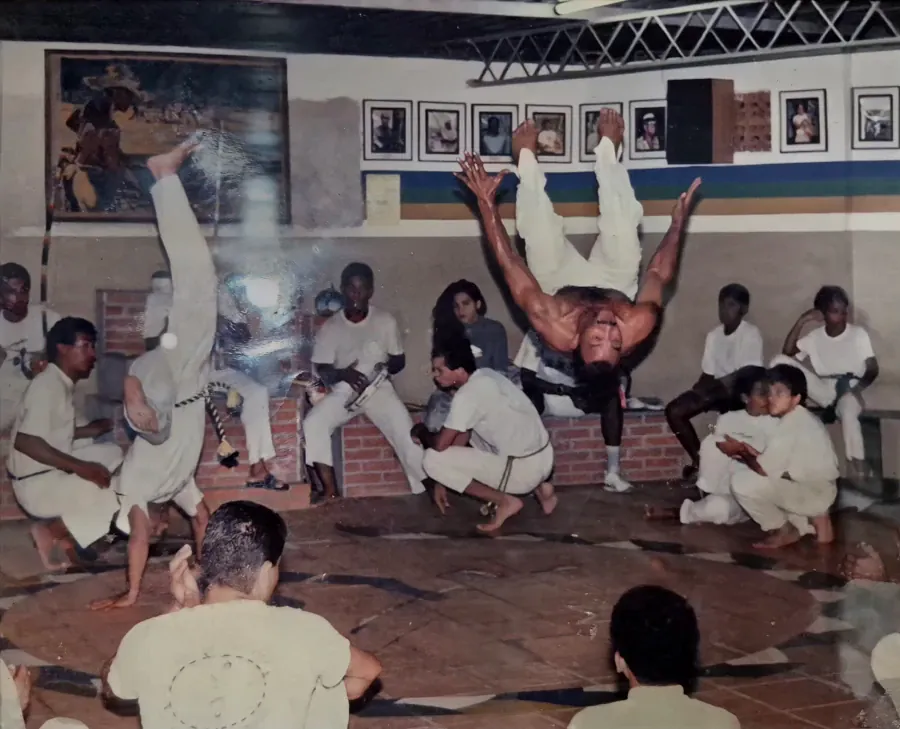
Grupo Kwanza is led by Paulo Ricardo de Souza, Mestre Jaguara, a capoeira master with over five decades of dedication to the art. His first contact with capoeira occurred in 1975, in Olinda–PE, when the strength of the game and musicality awakened a path marked by discipline and the constant search for learning.

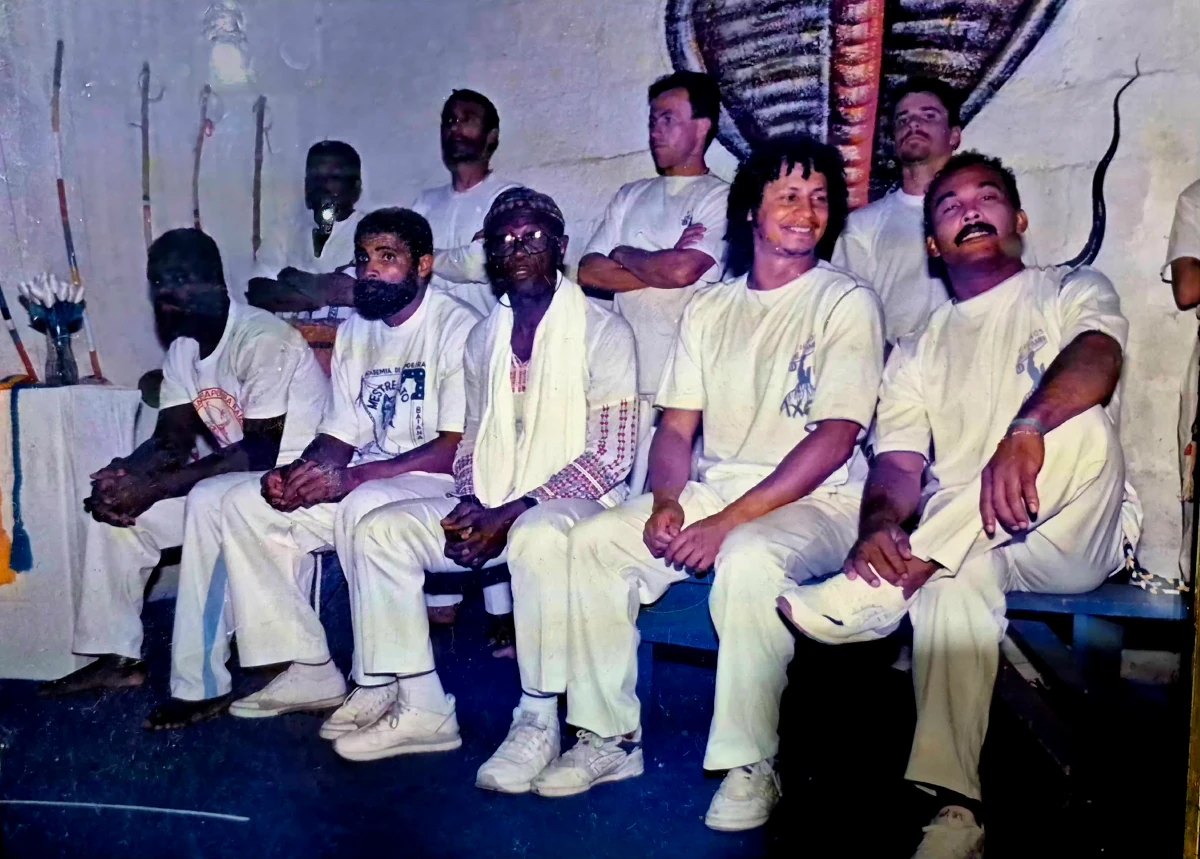
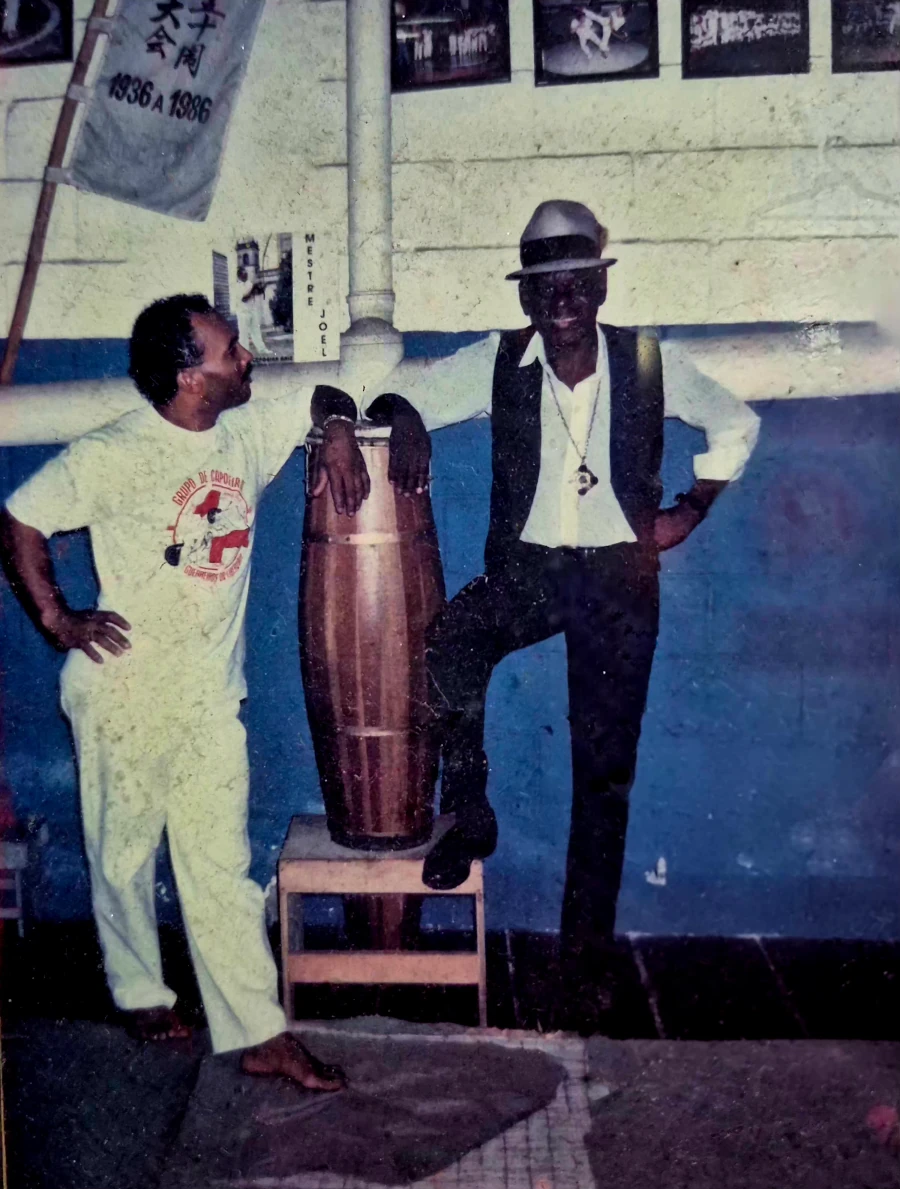
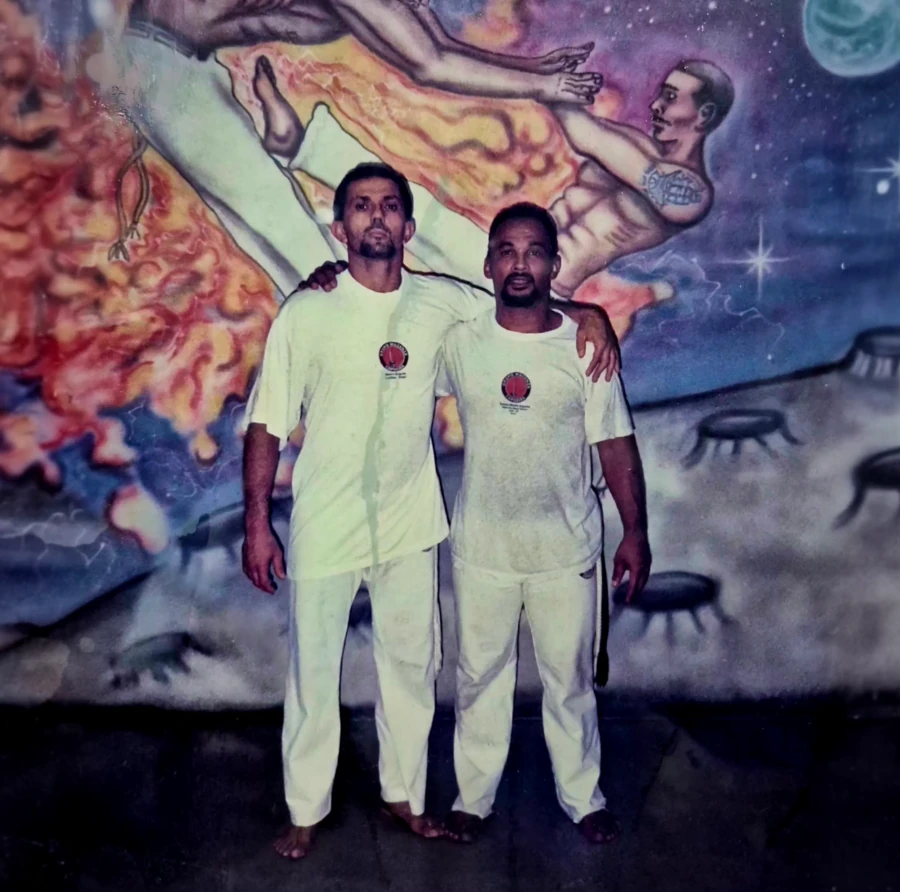
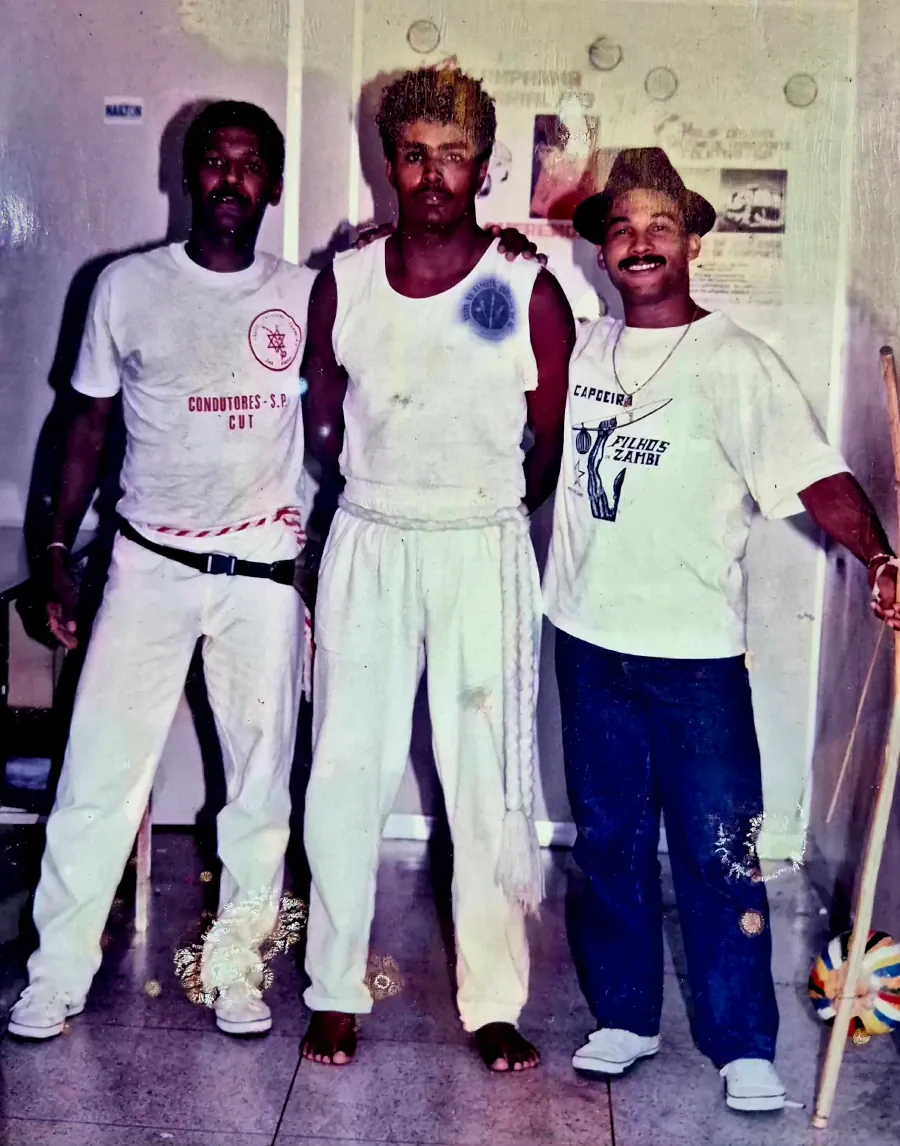
Throughout his formation, he built his foundation with renowned masters such as Marinheiro, Russo, Ditinho, and Nestor, in addition to receiving fundamental influences from Mestre Zambi and Mestre Burguês. His trajectory also counted on the mentorship and friendship of Mestre Leopoldina. In Capoeira Angola, he was a disciple of Mestre Gato Preto, his main reference in that style. He also lived alongside Mestres Ananias and Joel, who, at different moments, contributed with support and counsel on his journey.

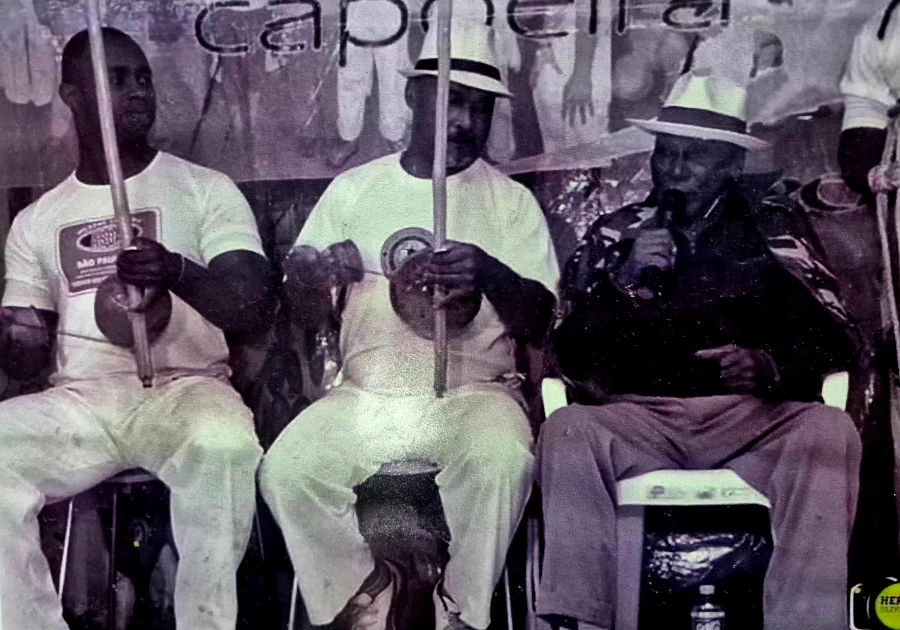
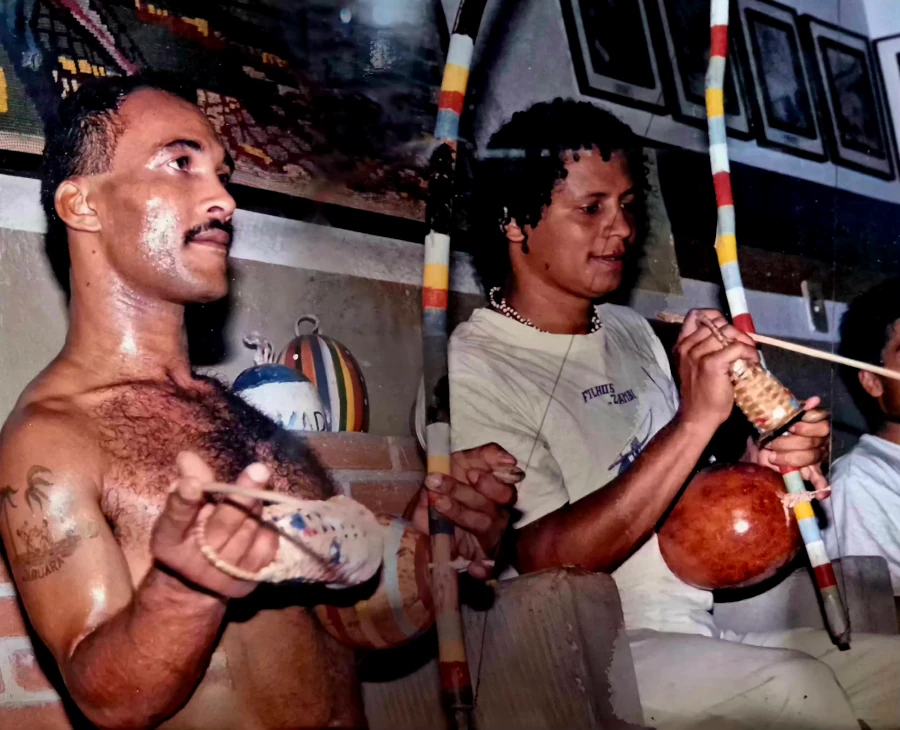
Recognition as a master occurred on July 30, 1991. On that occasion, he took over the group Jogo de Guerreiro, from Mestre Ditinho. Driven by the desire to deepen his foundations, he sought the knowledge of Mestre Zambi (Grupo Filhos de Zambi), under whose guidance he strengthened ties that led him to become his disciple. For Mestre Jaguara, the title of master represents the profound responsibility of forming people and preserving values.

Capoeira is understood as a way of living — a practice that traverses the body, culture, and daily life. His philosophy is based on respect for others, honesty, and the valorization of human relationships.

Mestre Jaguara, Mestre Zambi e Mestre Gato Preto
Mestre Jaguara e Mestre Gato Preto
Mestre Jaguara e Mestre Leopoldina
Convivência e troca com Mestre Leopoldina
Mestre Jaguara e Mestre Ananias
Mestre Jaguara ao lado do grande Mestre Ananias
Mestre Jaguara e Mestre Zambi
Mestre Jaguara em sua caminhada com Mestre Zambi
Mestre Jaguara e Mestre Zambi
As rodas de capoeira do Mestre Zambi
Mestre Jaguara e Mestre Zambi
As rodas de capoeira do Mestre Zambi
Mestre Burgues e Mestre Jaguara
Mestre Burgues e Mestre Jaguara quando era integrante do Grupo Muzenza
Mestre Jaguara e a primeira turma do Grupo Kwanza
Primeira Turma Kwanza

Valores e Filosofia do Grupo

Grupo Kwanza bases its work on principles that guide not only the practice of capoeira, but the human and social formation of its members.

Capoeira is understood as a way of living, crossing the body, culture, and daily life. More than a game, it is a space of continuous learning, discipline, coexistence, and responsibility.

Among the group’s core values are:

  • Respect for others and ancestry
  • Honesty in relationships
  • Commitment to human formation
  • Valorization of Brazilian popular culture
  • Social and educational responsibility

These principles guide the group’s work in Brazil and abroad, preserving the tradition of capoeira while forming people aware of their role in society.